

Discover what’s around you
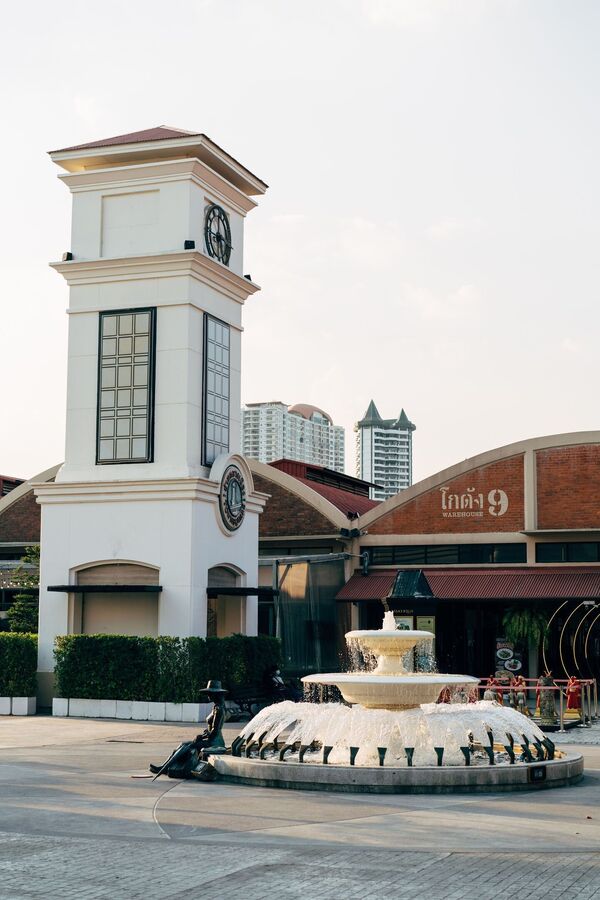
Bangkok is one of the world's great shopping cities, and Asiatique The Riverfront is among its more distinctive expressions of that. The open-air complex is arranged across four districts. Chareonkrung carries events and performances, from cabaret to Muay Thai demonstrations. Town Square holds the international dining and bars. The Factory District turns to shopping proper, with a scattering of local restaurants alongside it. A riverside promenade runs the length of the complex, and Asiatique Sky, Bangkok's tallest Ferris wheel, sits at its edge reason enough on its own to make the trip.
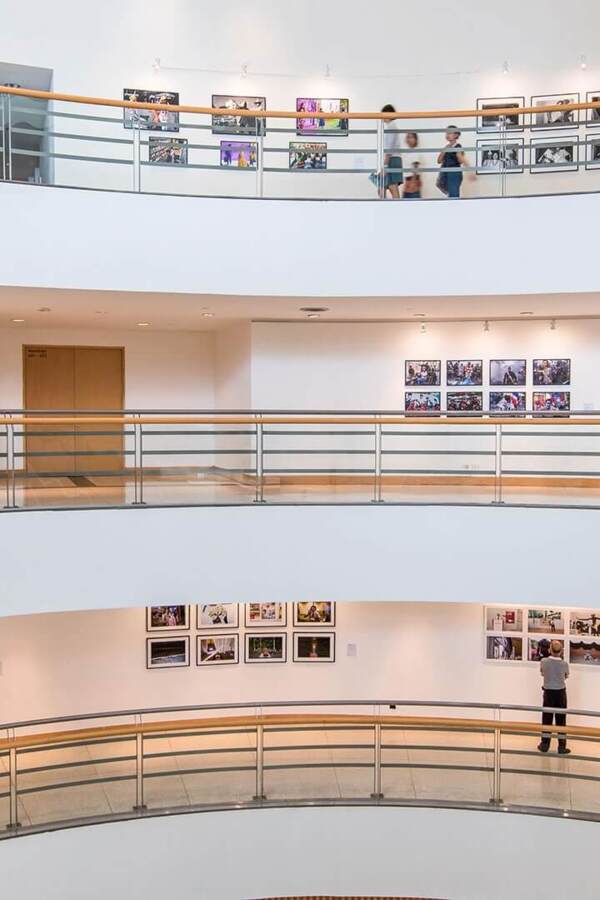
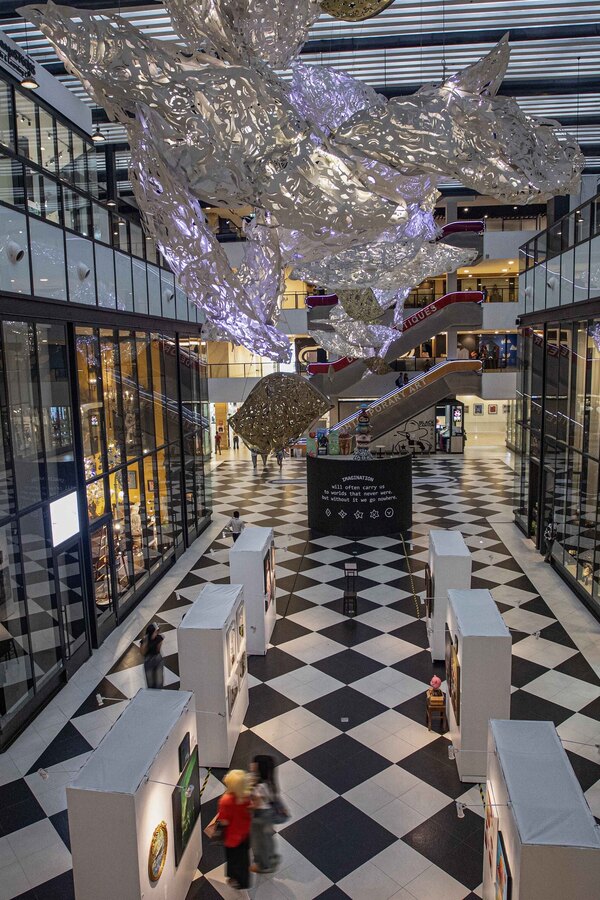
Opened in 2008 near the National Stadium BTS, BACC gives over 4,000 square metres to exhibitions spanning art, design, film, and performance. The People's Gallery on the second floor is open to public work; the main galleries on floors seven through nine host the changing exhibitions. A library, shops, and cafés round out the space.
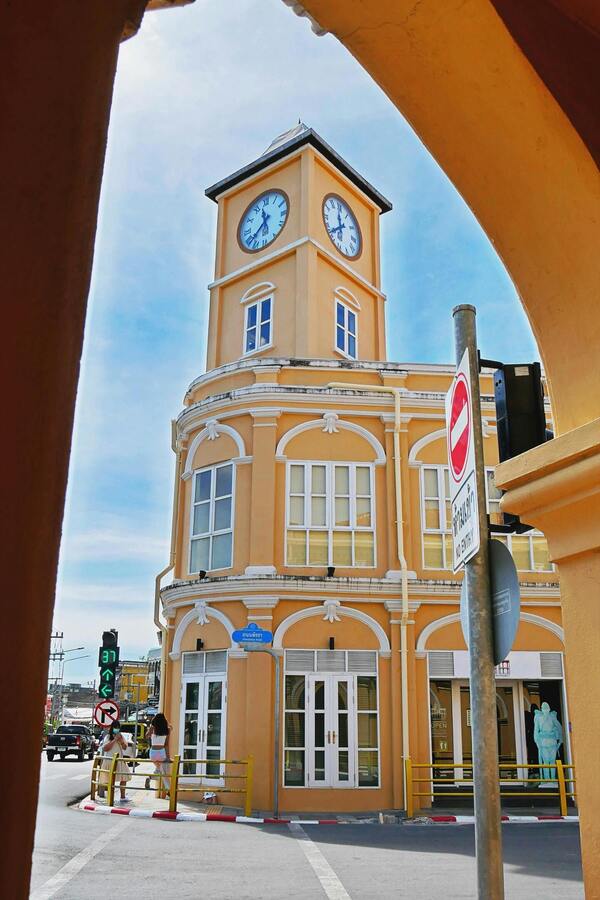
Where the island's history is most legible. The streets of Phuket Old Town are lined with Sino-Portuguese shophouses and colonial mansions, a colourful record of the Hokkien Chinese and European settlers who shaped the tin-mining era. Here, history is not preserved, it is lived. Along Thalang Road and Soi Romanee, storied facades frame a vibrant yet unhurried rhythm of cafés, galleries and local life. It is best explored slowly, allowing each street to tell its story. Approximately 40 minutes from the resort. We recommend arriving in the late afternoon and staying into the evening, pairing a cultural walk with dinner in the neighbourhood. Tip from the locals: time your visit to coincide with the Sunday Walking Street Market for a particularly vibrant atmosphere.
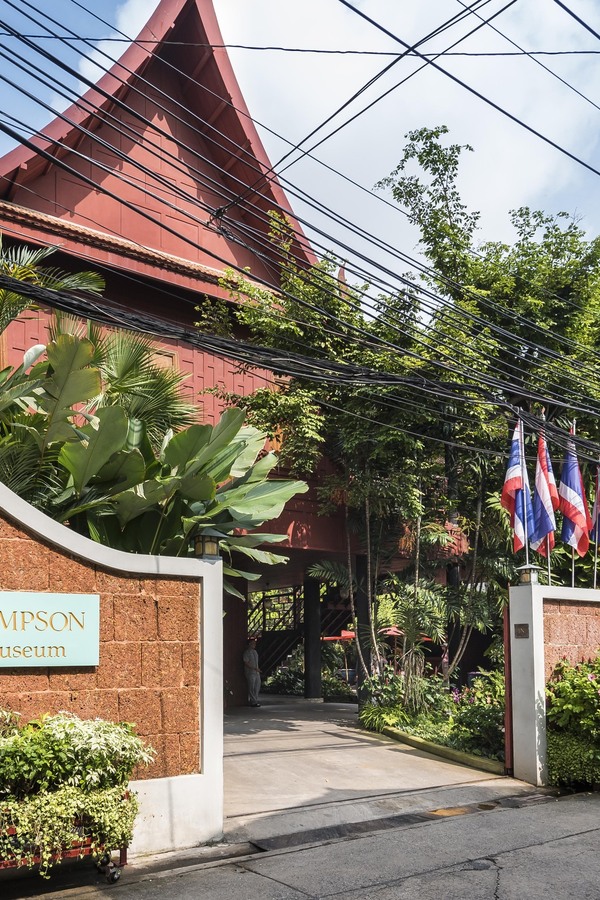
The house of the man credited with reviving Thailand's silk industry, who later disappeared without explanation. Built from several century-old Thai dwellings, arranged into an estate of six traditional structures, and filled with what he collected over a lifetime. His work with cottage-based weavers gave many Thai women a livelihood of their own, a detail worth knowing before you walk through.
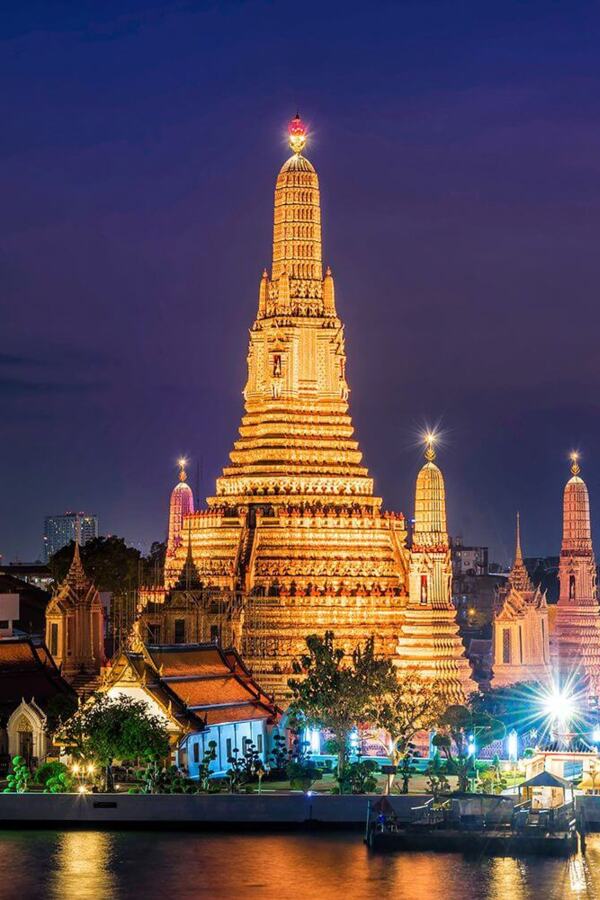
Wat Arun (Temple of Dawn) is a stunning Buddhist temple located on the Chao Phraya River in Bangkok. Known for its towering central spire adorned with colorful porcelain tiles, it offers panoramic views of the river and city. Visitors can explore its intricate architecture, climb the spire, and enjoy beautiful sunrise and sunset vistas.
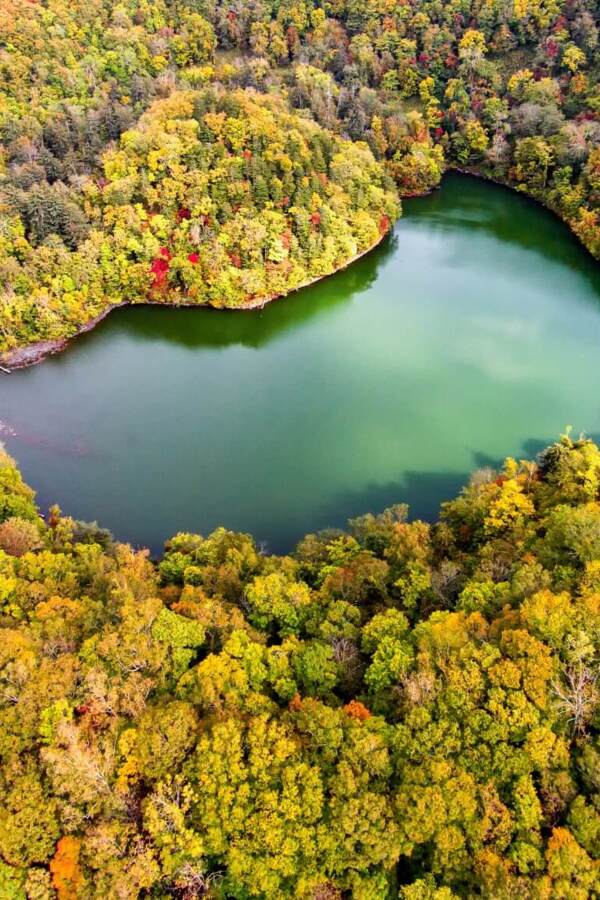
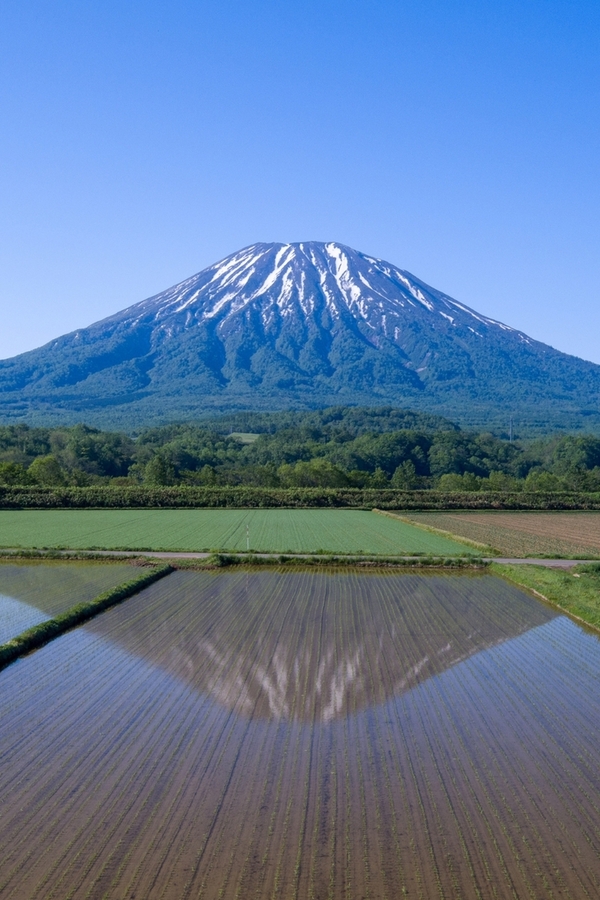
Hangetsu Lake is a stunning volcanic lake located at the foot of Mount Yotei, about a 10-minute drive from Chatrium Niseko. The name "Hangetsu" means "half-moon," reflecting the lake's crescent-shaped appearance when viewed from above. It's a beautiful destination to visit in all seasons, offering a serene environment for nature walks and hikes.
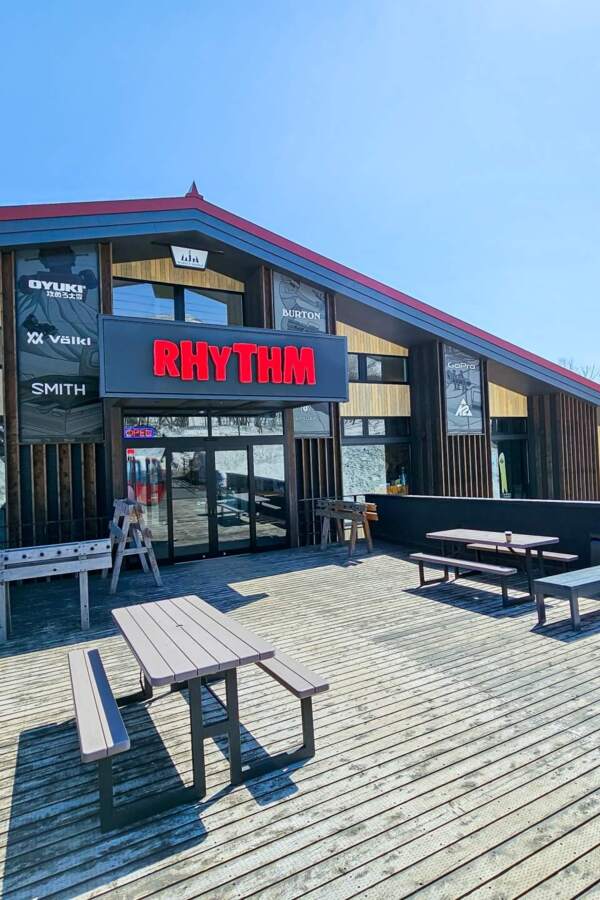
Rhythm Base is a premier snow sports store located just 100 meters from the Hirafu Gondola in Niseko. Established in 2005, it has grown to become one of the most trusted names in the area for high-quality snow sports equipment and excellent customer service. Rhythm Base is known for offering the latest and most reputable brands of skis, snowboards, and related gear, available for both rental and purchase.
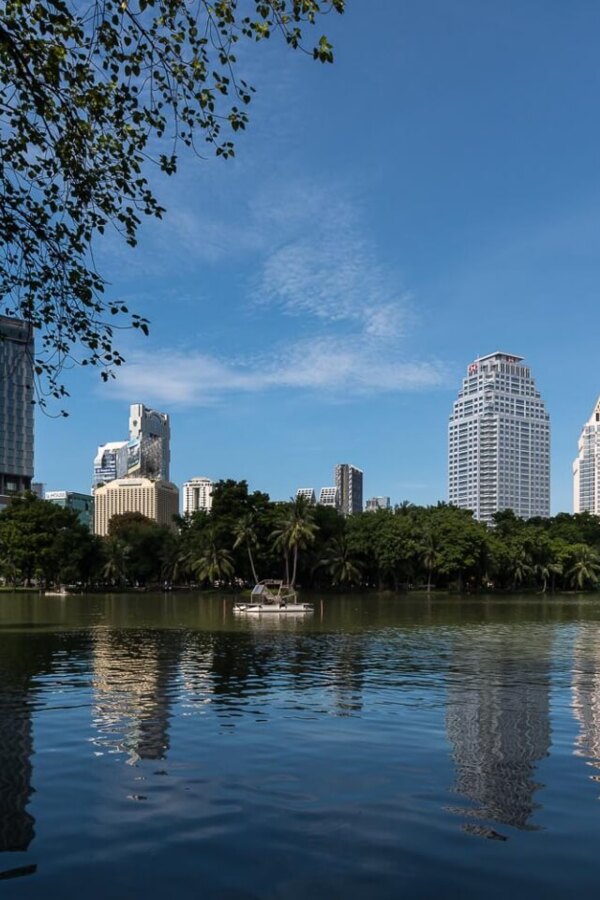
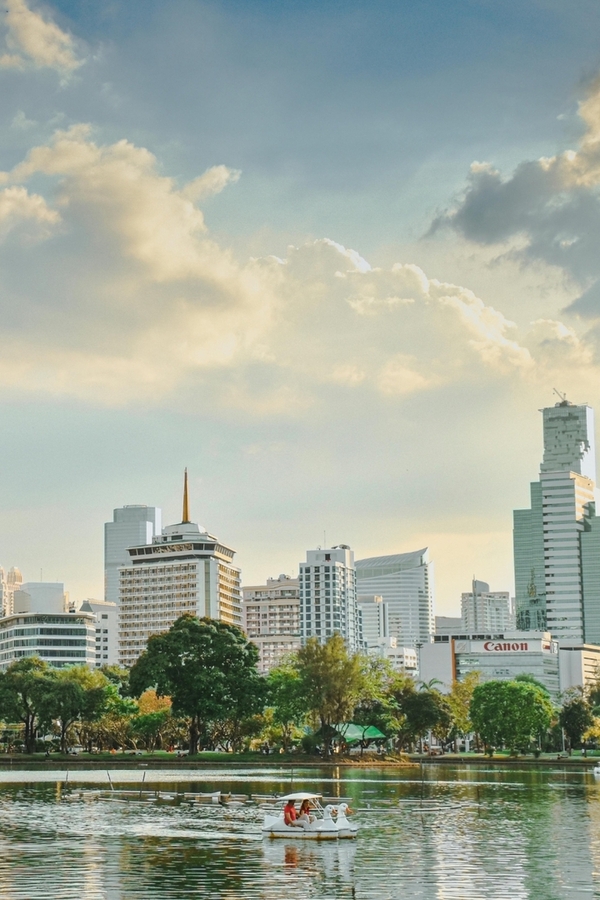
Lumphini Park is a popular urban park in the heart of Bangkok, located just a short distance from Chatrium Residence Sathon. This 142-acre green space is ideal for outdoor activities, featuring jogging tracks, lakes for paddle boating, and spacious lawns. It’s a peaceful retreat, offering a serene environment for relaxation and recreation amidst the city's vibrant energy.
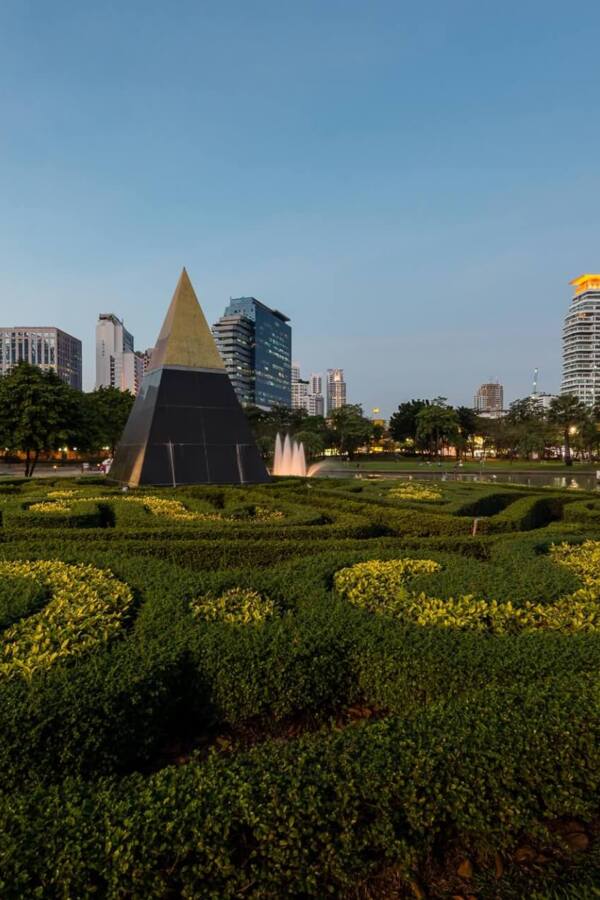
Benjakitti Park is a popular urban park located in the heart of Bangkok, near the Sukhumvit area. It covers 23.6 hectares and offers a peaceful retreat from the city's hustle and bustle. The park features a large lake, scenic walking and jogging paths, cycling lanes, and plenty of green spaces for relaxation. It's especially well known for its beautiful views of the city skyline, making it a perfect spot for morning jogs, evening walks, or a peaceful escape.
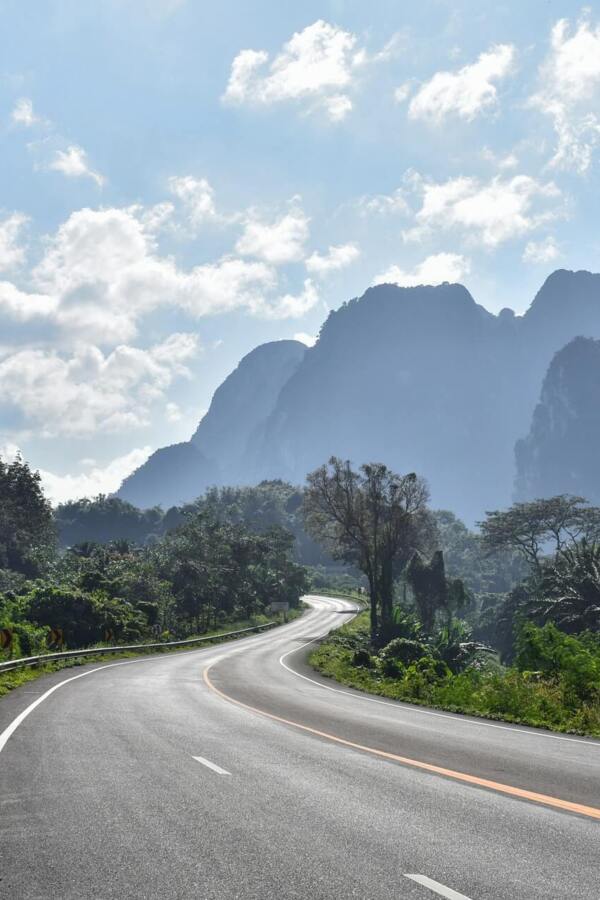
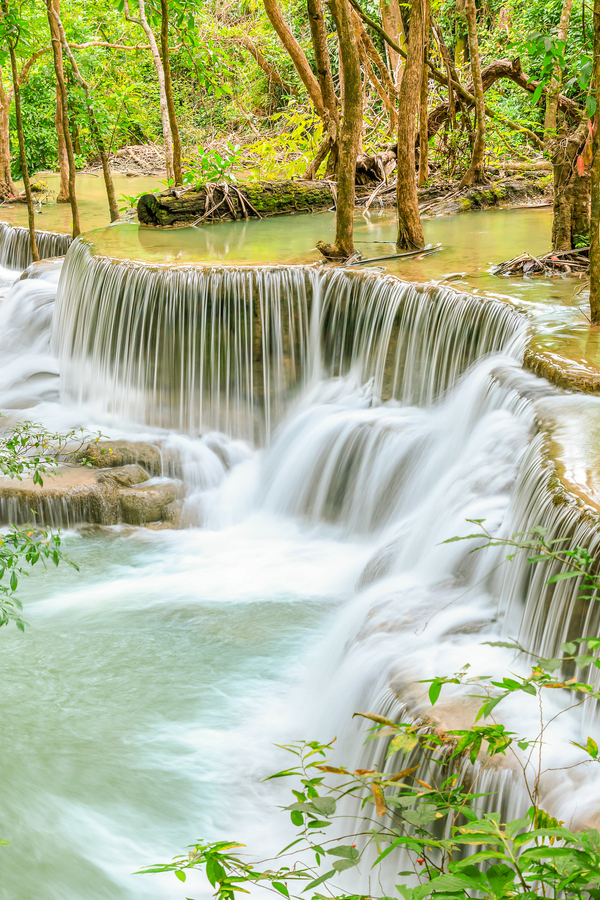
Khao Yai National Park is one of Thailand's most beloved natural attractions and a UNESCO World Heritage Site. Located about two to three hours from Bangkok, this expansive park is renowned for its lush landscapes, diverse wildlife, and beautiful waterfalls.
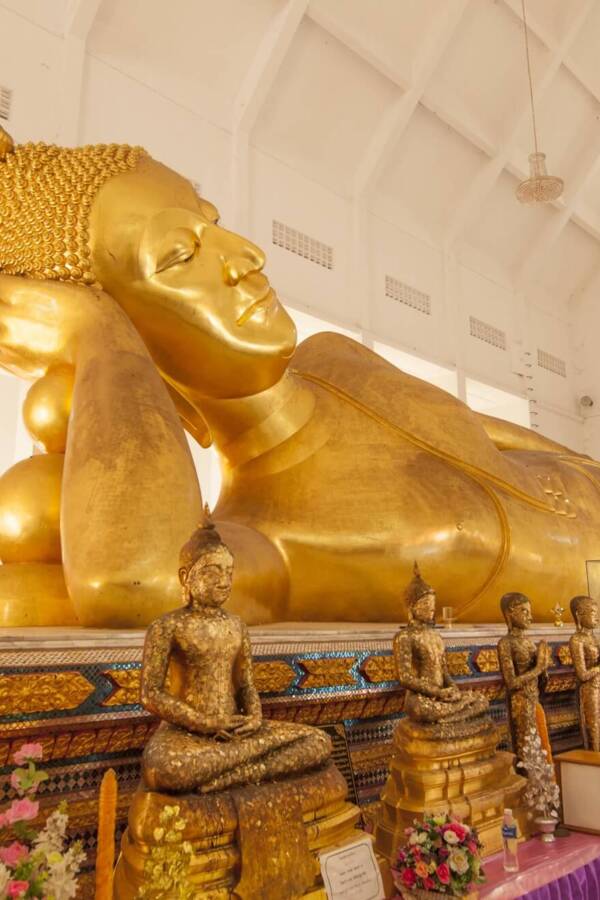
Wat Phai Lom is a historic Buddhist temple located in Chanthaburi, not far from Chatrium Golf Resort Soi Dao Chanthaburi. Known for its tranquil atmosphere, it is a popular place for both locals and tourists seeking a peaceful experience. The temple features impressive architecture, including a large reclining Buddha statue, beautiful murals, and intricate carvings that depict various Buddhist teachings and legends.
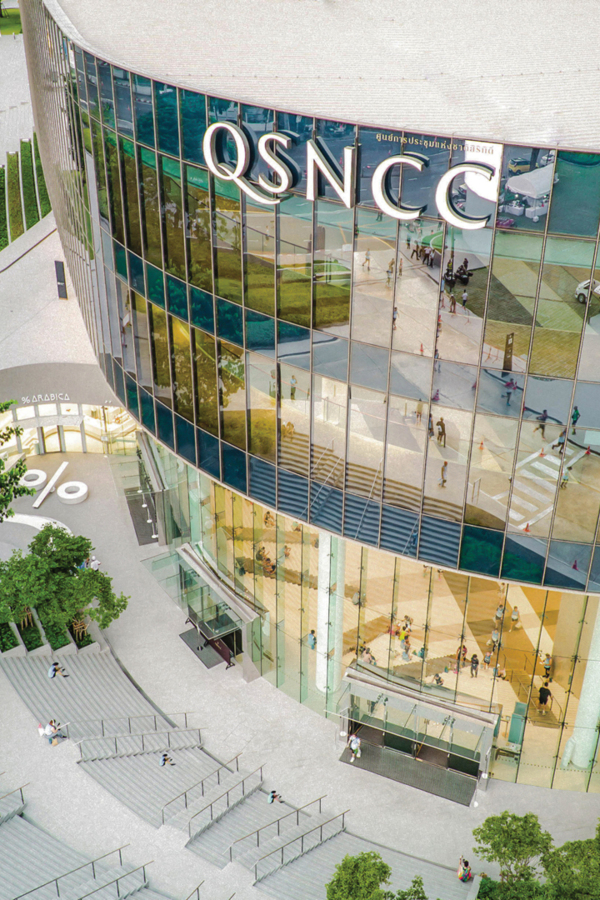
Thailand's leading convention venue, recently expanded to over 280,000 square metres. Exhibition halls, meeting rooms, and grand ballrooms sit within a building that blends modern facility with Thai-inspired design. Direct MRT access makes it as easy to reach as it is to navigate once inside a venue built for business, increasingly used for culture as well.
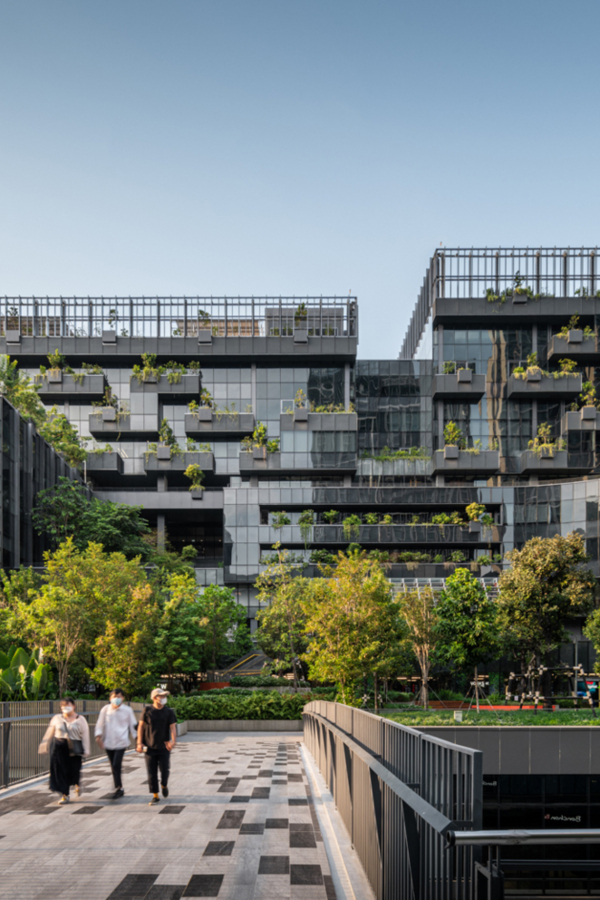
True Digital Park Bangkok True Digital Park (TDPK) is Thailand’s largest digital innovation hub, located in the heart of Bangkok’s Sukhumvit district. Designed as a vibrant ecosystem for startups, entrepreneurs, tech companies, and global innovators, True Digital Park is more than just an office complex it’s a city within a city where creativity, business, and lifestyle converge. The campus integrates workspaces, lifestyle zones, and green areas, making it an inspiring destination for collaboration and innovation. With co-working offices, event halls, and spaces for networking, True Digital Park has become a hub for Thailand’s fast-growing digital economy. Beyond work, TDPK offers dining, shopping, fitness, and leisure spaces, as well as direct access to BTS and MRT lines. It’s a place where professionals can work, live, and play all in one dynamic environment. Whether you’re attending a tech event, collaborating with startups, or exploring Bangkok’s modern business culture, True Digital Park Bangkok represents the future of innovation in Thailand.
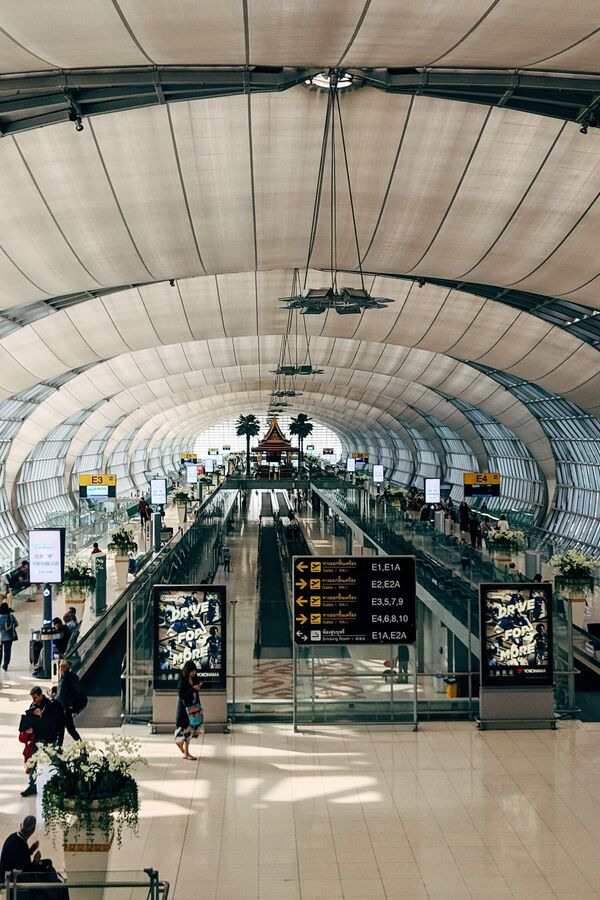
Thailand's largest airport, and the twentieth busiest in the world, moving more than fifty million passengers each year. Its striking facade has made it one of the most photographed airports on Instagram a fitting first or last impression of the city. Dining runs from sushi bars to Italian kitchens, with the Miracle Food Village known for its value. More than 270 retail shops sit within its halls, from luxury names to local handicrafts, though it's worth noting the latter often carry a higher price here than elsewhere in the city.
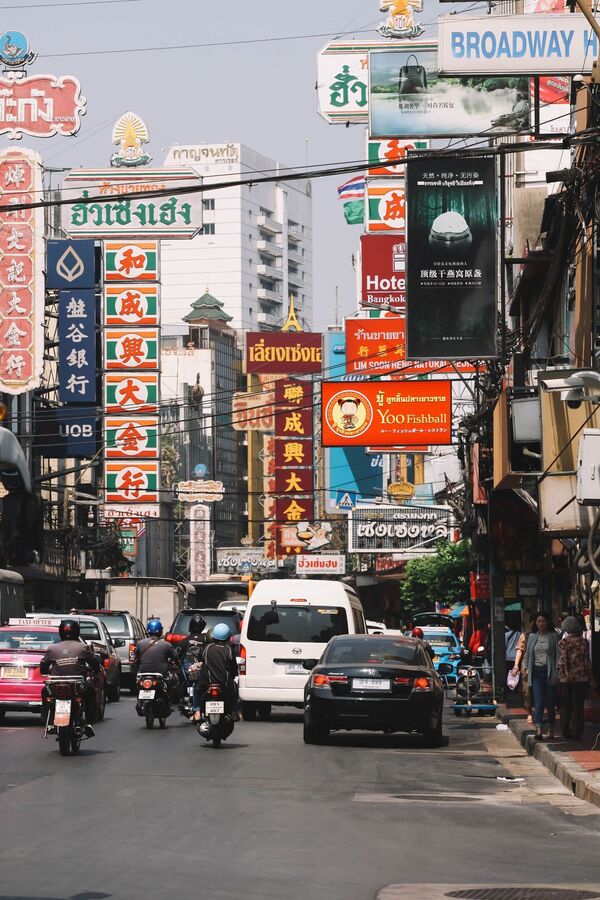
The largest Chinatown in the world, and a fitting reflection of how significant the Chinese diaspora has been to Thailand. Sampeng Lane Market is where it began, and remains its heart an alley dense enough that sandals and Christmas trees sit a few stalls apart. The King's Birthday Celebration Arch, known simply as the China Gate, marks the district's devotion to King Bhumibol. By night, the street food takes over: seafood, dim sum, noodles in pepper broth, and ice cream made the traditional way.
Set along the Chao Phraya, River City brings together art galleries, boutique shops, and antique auctions under one roof a fitting stop for collectors and the simply curious alike. Exhibitions and film screenings run alongside the more traditional browsing, all set against the river as a backdrop. A ten-minute drive, or a fifteen-minute boat ride from the hotel's private pier to Si Phraya Pier, from Chatrium Bangkok Riverside.
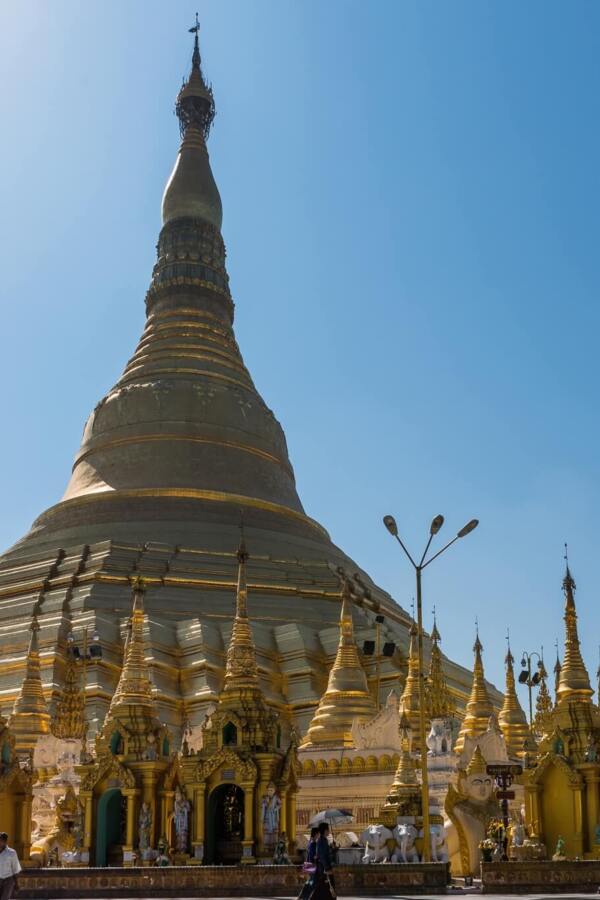
Shwedagon Pagoda is one of the most famous and important religious sites in Myanmar, located in the heart of Yangon. It is a massive golden stupa, standing 99 metres tall, and is considered one of the oldest and most revered Buddhist pagodas in the world. The pagoda is surrounded by a complex of smaller temples, shrines, and statues, making it a hub for both spiritual practices and tourism.
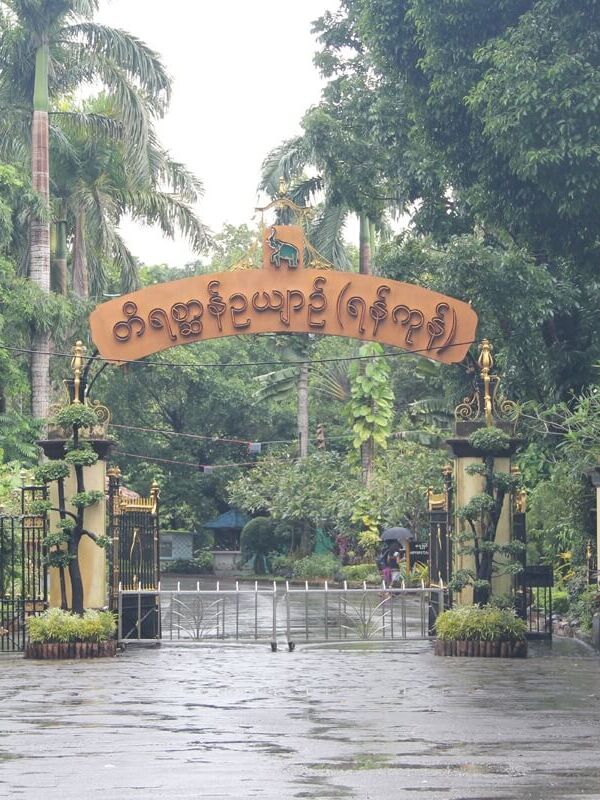
Yangon Zoological Gardens, also known as Yangon Zoo, is another popular attraction near Chatrium Hotel Royal Lake Yangon. The zoo is in the heart of the city, close to Kandawgyi Lake and the Shwedagon Pagoda, making it a convenient destination for families, animal lovers, and those looking to explore more of Yangon’s cultural offerings.
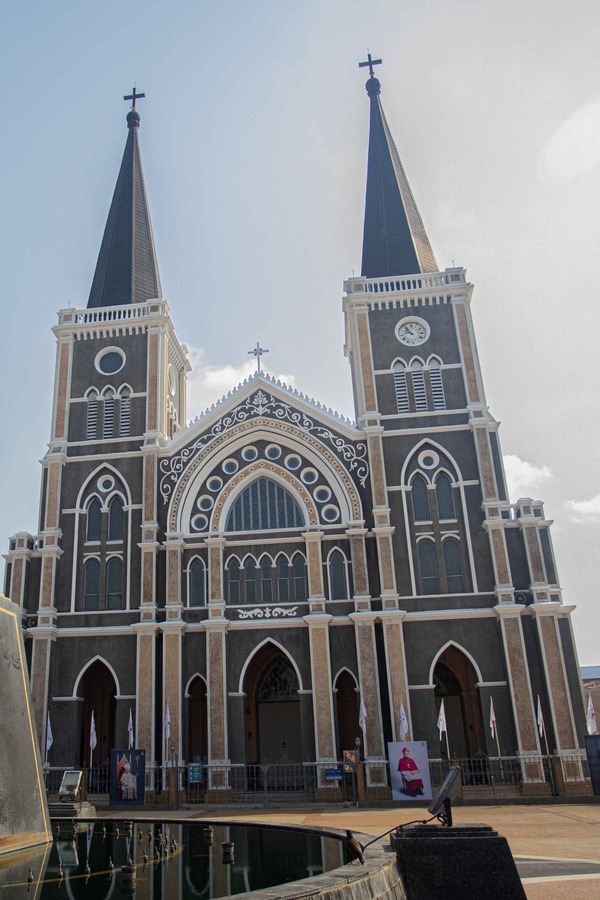
Built in 1909, this is the largest Catholic cathedral of its kind in Thailand. Its original tall roof, once visible for miles around, was taken down during the Second World War so the building would not stand out as a target. Several gothic details from the earlier structure remain today. Inside stands a statue given to the church by the community's goldsmiths and gem dealers, among the oldest trades in Chanthaburi
Sai Sorn Reservoir A quiet reservoir in the Nakhon Ratchasima countryside, where open water, mountain views and lush landscapes stretch out in every direction. Shaded spots along the banks are well-suited to a picnic, or simply sitting with nothing particular to do while the water does its work. The stillness here is genuine rather than curated, and that makes all the difference. A place that returns you to the hotel feeling more restored than when you left. Approximately 35 minutes by car from the hotel. Best visited in the late morning or early afternoon, when the light across the water is at its clearest. Tip from the hosts: Bring more food than you think you need. The setting has a way of extending the appetite, and there is nothing nearby once you arrive.
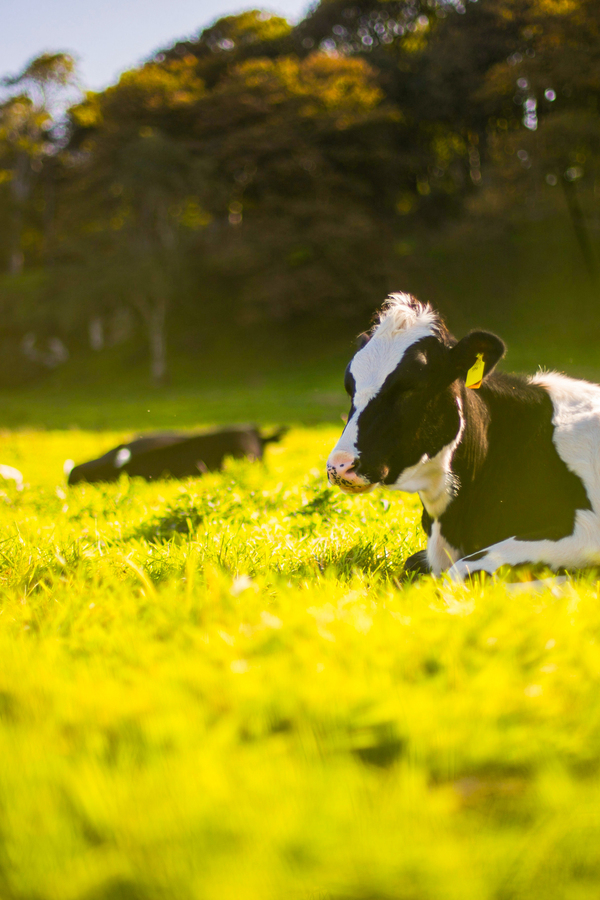
Farm Chokchai One of the largest dairy farms in Asia, set in the countryside of Pak Chong. Guided tours move through the working operations with genuine depth, giving the visit an educational grounding that never feels like a lesson. A petting zoo offers younger guests time with the animals, while an adventure zone with ATV rides and horseback riding keeps older ones well occupied. The dairy products, made on site and best tried fresh, are a quiet highlight that many visitors do not expect. Leave time for a second scoop on the way out. Approximately 20 minutes by car from the hotel. A half-day is comfortable; a full day is better. Tip from the hosts: The dairy counter near the exit is worth every stop. Try the fresh milk ice cream before you leave.
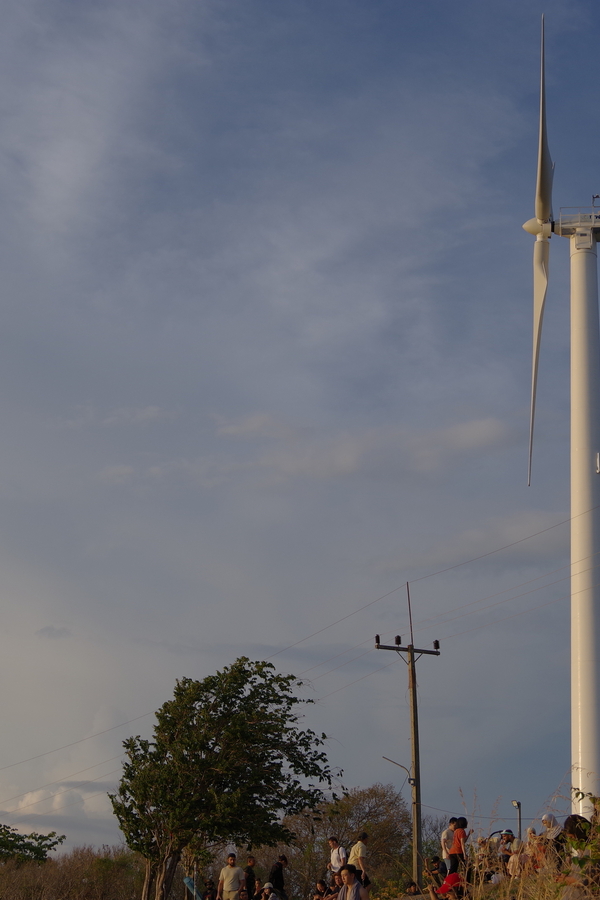
At the southernmost tip of the island, Promthep Cape and the Windmill Viewpoint provide the island’s most dramatic views of the Andaman Sea. These landmarks are essential for those seeking an immense, endless horizon and a quiet place to reflect. One of Phuket’s most famous sunsets. Just 10 to 15 minutes from the resort, we recommend going in the late afternoon to catch the sunset. Tip from the locals: Arrive early to walk the path beyond the main viewpoint for a more private perspective, then return to Rawai for a beautiful seafood dinner by the water.
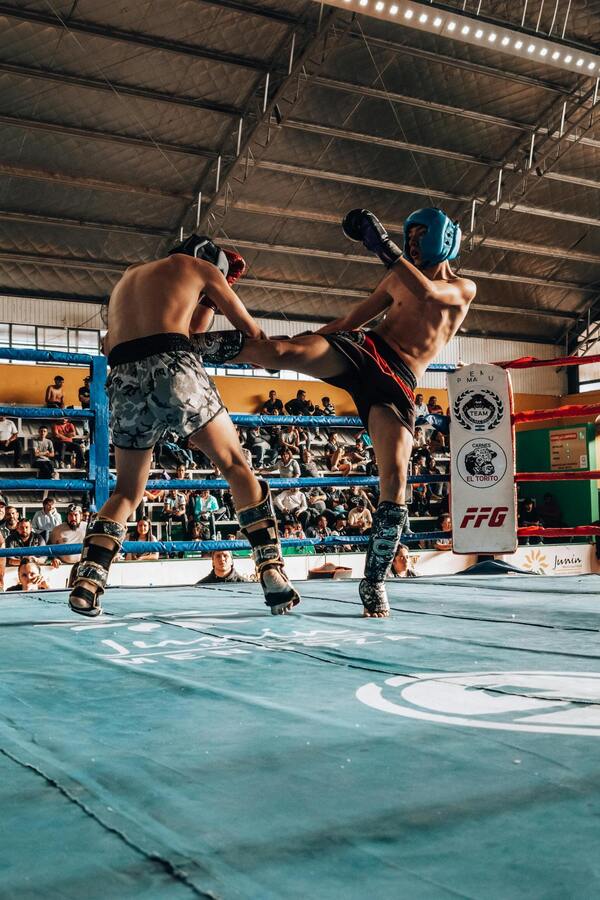
Muay Thai is the national martial art of Thailand: a discipline of immense technical precision and centuries of heritage. Watching a match, especially in Muay Thai Stadium Rawai, is a chance to witness the 'Art of Eight Limbs' practiced with genuine grit and soul. Just 5–10 minutes from the resort, the stadium really comes to life especially on fight nights. Later on, complete your evening with other cultural experiences around the area. Tip from the locals: To really immerse in the fight, try securing a seat close to the ring.
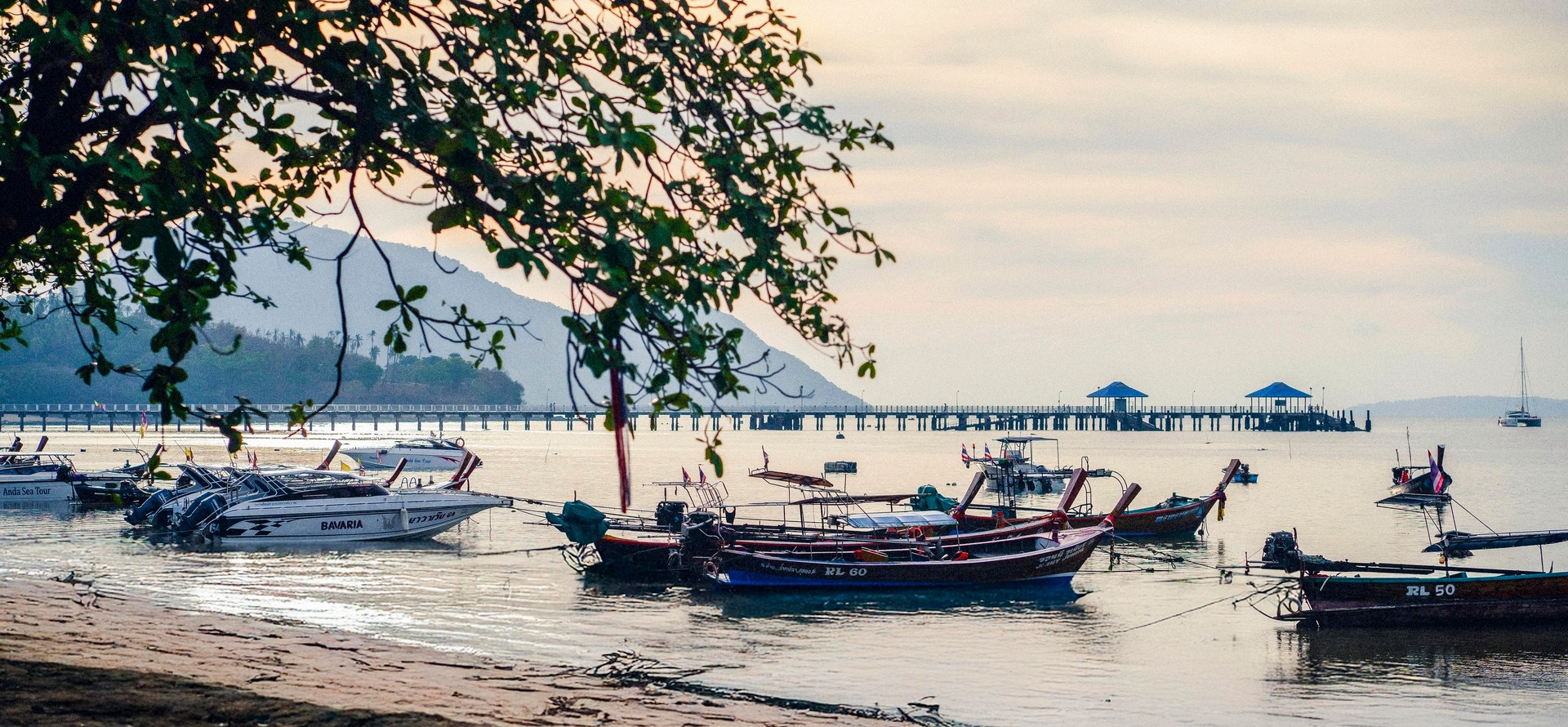
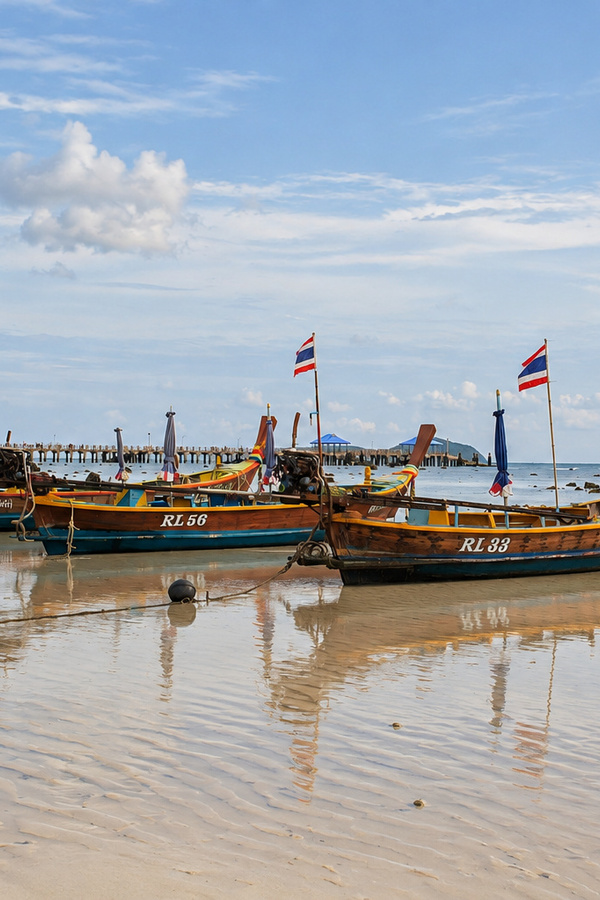
Rawai's shore is rocky rather than sandy, and at low tide the water pulls back a good way, so this isn't a beach for swimming. What it's for instead is watching the fleet: longtail boats line the waterfront, ready for the crossing out to Coral Island, with speedboats making the longer run to the Racha Islands further out. The seafood market runs from early morning into the evening. The catch is freshest before mid-morning, prawns, squid, crab and the day's fish laid out on ice, and several cafes along the road will cook it to order.
Dos:
- Remove your shoes before entering your local homes, or any temple buildings; look for a pile of shoes at the entrance as a cue.
- Dress modestly in public areas and temples; ensure your shoulders and knees are covered (swimwear is strictly for the beach or pool).
- Return the "Wai" (the prayer-like gesture) with a smile if a staff member greets you this way, as it shows mutual respect.
- Always say "Khop khun" (thank you) to hotel staff, drivers, and servers; expressing gratitude is highly valued in Thai culture and fosters a positive atmosphere during your stay.
- Reuse towels and linens by participating in the "Think first think earth Let's save It" programme to signal you don't need a daily change, saving significant water and energy.
- Practise proper waste segregation by using the designated bins for recyclables and general waste.
- Carry a reusable water bottle to reduce the massive amount of single-use plastic waste.
- Support local artisans by buying souvenirs from community markets rather than mass-produced to ensure your money stays local.
- Appreciate and protect native plants; avoiding the removal of flowers or seeds helps maintain the micro-ecosystems that support urban wildlife.
- Use reef-safe sunscreen (mineral-based like zinc oxide) before swimming to protect fragile coral reefs from toxic chemicals like oxybenzone.
Don’ts:
Don't touch anyone’s head, including children; it is considered the most sacred part of the body and touching it is a major taboo.
- Don't point your feet at people, Buddha images, or the King’s portrait; feet are seen as the lowest part of the body.
- Don't disrespect the Monarchy; avoid making jokes or negative comments about the Royal Family, as it is both offensive and carries legal penalties.
- Don't smoke or use cannabis in prohibited areas; smoking is banned on beaches and in public spaces, and cannabis use is restricted to private areas and licensed venues only.
- Don't leave the air conditioning on when you leave your room; cooling an empty room is the single biggest waste of energy in Thai hotels.
- Don't dispose of sanitary products or wet wipes down the toilet; please use the provided bins to prevent blockages and protect local water systems.
- Don't buy illegal animal products; avoid purchasing ivory, tortoise shell, or items made from protected species, as these support poaching and are illegal to export.
- Don't feed wildlife, especially monkeys or fish; this disrupts their natural diet, makes them aggressive, and causes ecological imbalance.
- Don't take shells or coral from the beach; it is illegal to export these, and removing them deprives the ecosystem of vital calcium and habitat.
Sustainability Do’s and Don’ts (Japan)
Dos:
- Remove your shoes when entering ski lodge, ryokan, private home, or certain temples; use the provided slippers, but remember to remove those before stepping on tatami mats. - Master the art of sorting waste; Japan has a highly sophisticated recycling system. Follow the detailed icons on bins for PET bottles, cans, and combustible waste.
- Carry a small "trash bag" with you; public bins are rare in Japanese cities. Carrying your litter until you reach your hotel helps keep the streets pristine.
- Practice "Shizuka-ni" (Quietness) on public transport; keep your voice low and switch your phone to "manner mode" to respect the shared social environment.
- Reuse towels and linens by participating in the "Think first think earth Let's save It" programme to signal you don't need a daily change, saving significant water and energy.
- Shower thoroughly before entering an Onsen (hot spring); this is a vital hygiene ritual to keep the communal spring water clean for everyone.
- Support "Omiyage" culture by purchasing regional specialties (Meibutsu) from local farmers and shops, ensuring your tourism spend supports rural economies. - Utilize the excellent public transport network; Japan’s trains and buses are world-class. Choosing them over private taxis drastically lowers your carbon footprint.
- Appreciate and protect native plants; avoiding the removal of flowers or seeds helps maintain the micro-ecosystems that support urban wildlife.
- Use reef-safe sunscreen (mineral-based like zinc oxide) before swimming to protect fragile coral reefs from toxic chemicals like oxybenzone.
Don’ts:
- Don't eat or drink while walking; it is considered impolite and increases the risk of littering. Sit down or stand near the vending machine to finish your snack.
- Don't use excessive water at the Onsen; turn off the tap while lathering to respect the local natural spring resources. - Don't enter a hot spring or public bath if you have visible tattoos without checking the policy first; many traditional venues still restrict tattoos, though "tattoo cover stickers" are increasingly available.
- Don't leave the "Washlet" (electronic bidet) or heated seat on at maximum settings when not in use; adjusting these to eco-mode saves significant electricity.
- Don't disturb the Sakura (cherry blossoms) or autumn leaves; shaking trees for photos damages the health of these culturally significant plants.
- Don't buy illegal animal products; avoid purchasing ivory, tortoise shell, or items made from protected species, as these support poaching and are illegal to export.
- Don't feed wildlife, especially monkeys or fish; this disrupts their natural diet, makes them aggressive, and causes ecological imbalance.
- Don't take shells or coral from the beach; it is illegal to export these, and removing them deprives the ecosystem of vital calcium and habitat.
Sustainability Do’s and Don’ts (Myanmar)
Dos:
- Remove both shoes AND socks before entering any pagoda or monastery grounds; you must be completely barefoot as a sign of ultimate religious respect.
- Dress with high modesty; ensure your shoulders and knees are covered. A "Longyi" (Burmese sarong) is highly recommended and widely appreciated by locals in the sacred Shwedagon area.
- Use "Mingalaba" (the auspicious greeting) with a gentle bow of the head; it fosters a warm connection with locals and shows respect for Burmese traditions.
- Use both hands (or your right hand supported by your left) when giving or receiving items, especially money; this is a sign of politeness and sincerity.
- Reuse towels and linens by participating in the "Think first think earth Let's save It" programme to signal you don't need a daily change, saving significant water and energy.
- Practise proper waste segregation by using the designated bins for recyclables and general waste.
- Carry a reusable water bottle to reduce the massive amount of single-use plastic waste.
- Support local artisans by buying souvenirs from community markets rather than mass-produced to ensure your money stays local.
- Appreciate and protect native plants; avoiding the removal of flowers or seeds helps maintain the micro-ecosystems that support urban wildlife.
- Use reef-safe sunscreen (mineral-based like zinc oxide) before swimming to protect fragile coral reefs from toxic chemicals like oxybenzone.
Don’ts:
- Don't point your feet at the Shwedagon Pagoda or any Buddha images when sitting; always tuck your legs behind you or sit in a cross-legged position that hides your soles.
- Don't touch a Monk’s robes or a person’s head; the head is the most sacred part of the body, and religious figures must be treated with physical distance and respect.
- Don't take photographs or videos of security personnel, checkpoints, or government buildings; this is strictly prohibited for security reasons and can lead to the confiscation of your device or legal questioning.
- Don't leave the air conditioning on when you leave your room; cooling an empty room is the single biggest waste of energy in Thai hotels.
- Don't dispose of sanitary products or wet wipes down the toilet; please use the provided bins to prevent blockages and protect local water systems.
- Don't buy illegal animal products; avoid purchasing ivory, tortoise shell, or items made from protected species, as these support poaching and are illegal to export.
- Don't feed wildlife, especially monkeys or fish; this disrupts their natural diet, makes them aggressive, and causes ecological imbalance.
- Don't take shells or coral from the beach; it is illegal to export these, and removing them deprives the ecosystem of vital calcium and habitat.