

How to choose a team-building venue in Phuket that works
Key takeaways:
- The most productive retreats are rarely the busiest. A calm setting often gives teams more than a packed schedule ever will.
- The right venue balances a focused meeting space with quieter areas where conversation can carry on naturally between sessions.
- Simple, place-based experiences tend to be more memorable than elaborate itineraries.
- Three nights usually strike the right balance between arrival, focus, and reflection, without leaving the team more tired than when they came.
- Location matters. A quieter side of the island keeps the group grounded and focused on each other.
Table of contents:
- What a change of scenery actually changes
- Designing a venue for focus and pause
- Experiential moments over crowded itineraries
- Finding the right tempo: why three nights works
- Why location shapes how a retreat feels
- Where the shore sets the tempo: Chatrium Phuket Rawai
- Bringing the team back together
- Frequently asked questions about team-building in Phuket
A good retreat rarely comes down to a packed schedule or trust falls. More often, real productivity happens when a group simply slows down together, shares a quiet meal, and lets conversation happen without a screen between them. When the setting is right, it does most of the work on its own.
What a change of scenery actually changes
Removing a team from their usual routine does more than change the view. It alters how people listen and speak to one another. The best team-building activities in Phuket work partly because the coastal air and an unhurried backdrop soften stiff agendas, making room for the kind of candid discussions that rarely happen inside a conference room.
A quieter setting also gives people permission to think differently. Away from the small pressures of the office, colleagues tend to speak more freely, listen more closely, and connect on things that would never come up during a normal working week. That shift is often where the real value of a retreat begins.
Designing a venue for focus and pause
A team-building venue in Phuket needs to offer a thoughtful balance of physical spaces. Beyond a well-equipped meeting room for serious work, there should be comfortable open-air areas where people can step away, grab a quiet coffee, or continue an idea in small groups. The transition between structured sessions and informal downtime should feel natural, not forced.
What sets one venue apart from another is often the small details: how easy it is to break off for a side conversation, whether the meeting room has enough natural light to keep the energy up, and how quickly a group can move from a working session to eating together without losing momentum. These details are what shape the day.
Experiential moments over crowded itineraries
The team-building programs in Phuket that people remember are usually the simplest ones: learning to cook a local dish together, taking a morning boat out to sea, or sitting down to a quiet dinner with no pressure to hurry. Keeping the agenda lighter leaves room for spontaneous connection, which is often where the real value of a retreat lies.
A tightly packed itinerary can undo its own purpose. When every hour is scheduled, teams spend the trip moving from one activity to the next with no space to talk about what they are actually experiencing. Building in unstructured time is not laziness; it is what allows the shared experiences to settle and turn into something more lasting.
Finding the right tempo: why three nights works
Time structure matters. The number of days needed for a corporate retreat in Phuket usually comes down to how the trip should feel. A two-night stay often becomes a rush of travel, setup, and departure, leaving the team more tired than when they arrived. Three nights tends to be the shape that works best when hosting team-building at a Phuket hotel or resort: arrival and settling in on day one, a full day of sessions and activities on day two, and a final morning to reflect before heading home.
That extra night changes the tone of the trip. It gives the group time to unwind after arrival, so the working day is spent with fresh energy rather than travel fatigue. It also creates space for the informal conversations that tend to happen on the second evening, once everyone has had time to settle in.
Why location shapes how a retreat feels
Different parts of the island serve different purposes. While the busier stretches are built for nightlife and high energy, refined corporate retreat resorts in southern Phuket offer privacy, space, and a calmer rhythm. Fewer external distractions help keep the group grounded and focused on each other.
Rawai, on the southern shore, has a long history as a fishing village and still moves at a slower pace than the west coast. That character carries through to the retreats hosted there. Groups tend to spend more time within the property, more time outdoors, and less time competing with the noise of the surrounding area.
Where the shore sets the tempo: Chatrium Phuket Rawai
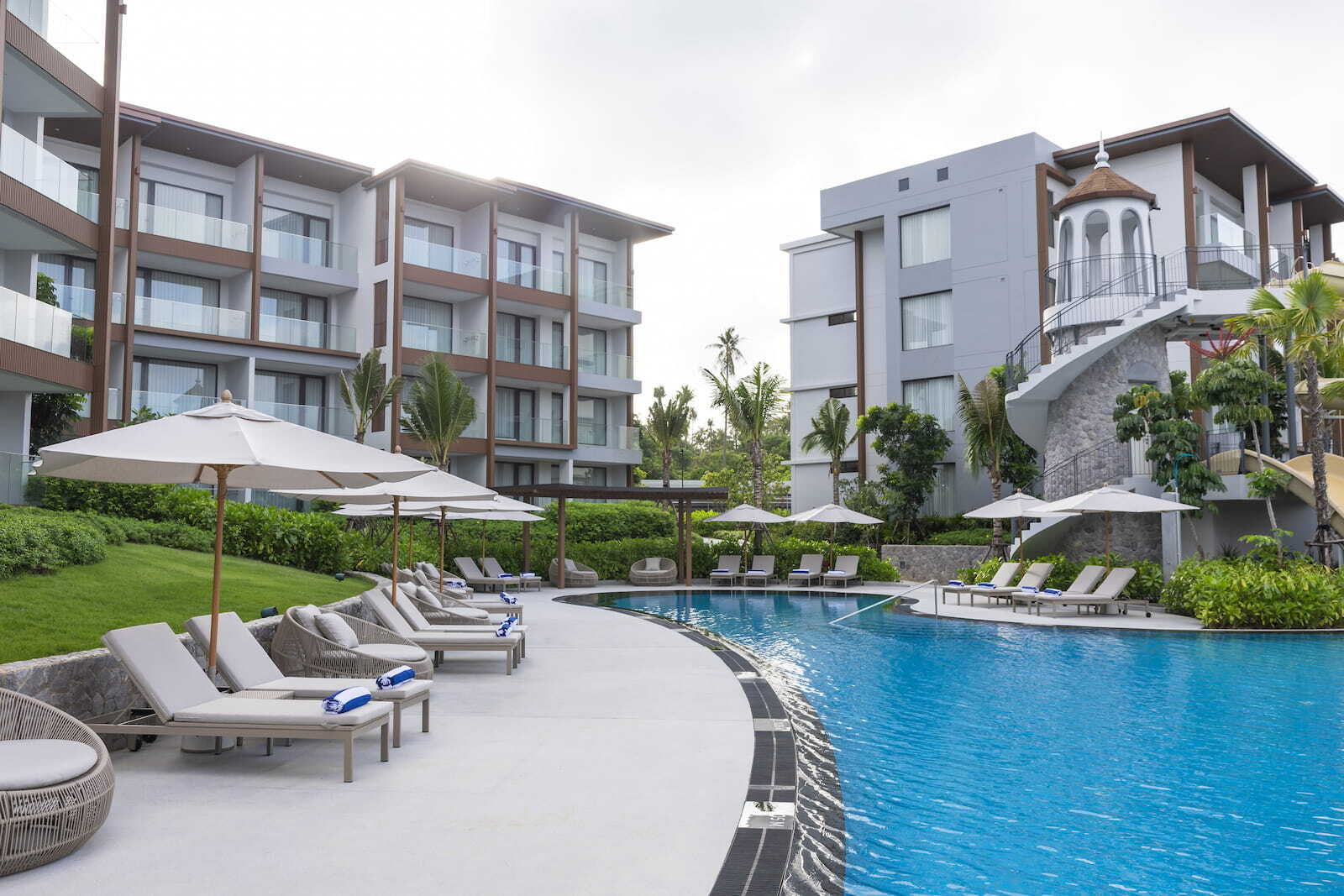
Chatrium Phuket Rawai carries the unhurried pace of the coast it sits on, and the days here are built around that rhythm. Mornings begin in The Sail Ballroom, a 300-square-metre pillar-free setting that holds up to 268 people, with flexible layouts and full audiovisual support for focused working sessions. When the group needs a break from the room, the resort grounds are just outside, offering a quiet walk through the gardens or a coffee under the palms with the sea view close by.
For teams who want to add wellness or lighter group activities to the agenda, Lamoon Lawn, set beside the Tranquil Pool, works well as an open-air venue for yoga sessions, stretching, Thai Boxing, or team games. The outdoor space gives groups a natural break from the meeting room without needing to leave the property.
Beyond the property, Promthep Cape, the local seafood market, and quieter beaches nearby are all just minutes away, giving teams a taste of the coast without overplanning the stay. That same easy rhythm carries through mealtimes and everything in between. The resort staff keep the day running smoothly, refilling coffee during breaks, resetting spaces between sessions, and stepping in wherever they are needed. As a corporate event venue in Phuket, it suits teams who want the work and the rest to sit comfortably alongside each other.
Bringing the team back together
The most effective retreats are usually the ones that allow people to breathe: a thoughtful room, fresh local food, and enough quiet to hear each other properly. The value often shows up weeks later, in the way colleagues speak to each other back at the office or in a shared reference to something that happened over dinner. Sometimes that is all it takes to bring a team back together.
If you are thinking about bringing your group to the southern shore, we are happy to help shape something around what your team actually needs, from the meeting setup to the rhythm of the days.
References:
17 Benefits of Team Building for Your Organization. Retrieved 30 September 2026, from https://www.indeed.com/career-advice/career-development/benefits-of-team-building
Frequently asked questions about team-building in Phuket
Q: When is the best time of year for a corporate retreat in Phuket?
A: November to April brings the driest weather and calmest seas, which suits outdoor sessions, boat trips, and beachside dinners. May to October is the green season, quieter and often more affordable, with rain arriving in short bursts rather than lasting all day. Both work well for indoor-focused agendas.
Q: How many days does a corporate retreat in Phuket usually need?
A: Three nights tends to strike the right balance. It gives the team time to arrive and settle in without fatigue, a full working day for sessions and activities, and a final morning to reflect before heading home. Two nights often feel rushed, while longer stays can lose their focus.
Q: What should a company look for in a team-building venue in Phuket?
A: A good venue offers a balance of focused meeting space and quieter areas for downtime. A pillar-free room with strong audiovisual support handles the working sessions, while open-air spaces, grounds to walk in, and on-site dining make the time between sessions feel natural rather than scheduled. An outdoor lawn beside the pool, for example, can double as a venue for yoga, stretching, or group games between meetings. Location matters too: a quieter side of the island keeps the group focused on each other.
Q: Is Rawai a good area for a corporate retreat in Phuket?
A: Rawai on Phuket's southern shore suits corporate retreats that value privacy, space, and a calmer rhythm. It sits away from the busier west coast, closer to Promthep Cape and quieter beaches, which helps keep groups grounded and focused. It works particularly well for teams looking to combine focused sessions with genuine downtime.
Q: What are the best team-building activities in Phuket?
A: The activities that work best tend to be simple and place-based rather than elaborate. Cooking classes drawing on southern Thai coastal traditions, half-day longtail boat trips to nearby islands, shared dinners at a local seafood market, and guided coastal walks all provide teams with a shared experience without a rigid schedule. On-site options like yoga, stretching, or Thai Boxing on an open-air lawn can also add a lighter, wellness-focused layer to the day. The goal is connection, not a checklist.
