English

English


Key takeaways
- Long-stay budgets in Bangkok fall into roughly three tiers, from about THB 26,000 a month for a simple lifestyle to THB 131,000+ for upscale central living.
- Everyday costs like a BTS/MRT pass (around THB 1,200/month) and home broadband (around THB 650/month) stay affordable; rent is the biggest variable.
- A condo can look cheaper upfront, but separate utility, setup and cleaning costs narrow the gap over a stay of a few months to a year.
- A serviced residence folds housekeeping, a utility allowance, Wi-Fi and facilities into one predictable monthly rate.
- Chatrium Bangkok Riverside offers river-view residences from 65 sqm to 250 sqm, three flexible maintenance packages and a complimentary shuttle boat to the BTS.
Table of contents
- How much does it cost to live in Bangkok per month on a long stay?
- Condos versus serviced residences: which offers better value?
- A long-stay home on the Chao Phraya River
- Simple ways to keep long-stay costs down
- Settle in by the river
- Frequently asked questions about the cost of living in Bangkok
For those who stay longer in Bangkok, the street food, riverside walks, Skytrain soaring over traffic, and the mix of historic temples and contemporary malls become everyday experiences rather than mere holiday sights. The first thing expats and remote workers ponder when planning a move is the practical aspect: what does living in Bangkok actually cost once the holiday ends and real life begins? An extended stay differs from a two-week holiday because rent, bills, and daily routines become much more significant than occasional extravagances. This guide analyses the latest 2025/2026 data and explores how a long stay by the Chao Phraya River fits in.
How much does it cost to live in Bangkok per month on a long stay?
The honest answer is that the cost of living in Bangkok depends on the lifestyle you choose. Recent 2025/2026 estimates tend to group most long-stay budgets into three broad tiers.
Budget or nomad lifestyle: around THB 26,000 to THB 30,000 a month. This includes basic rent, local food, and public transport, ideal for those content with a simple routine, nearby eateries, and living outside the central districts.
Comfortable expat lifestyle: around THB 48,500 to THB 65,000 a month. Included in this range are mid-level dining options, a fitness club membership, comprehensive health coverage, and an apartment closer to the centre.
Upscale lifestyle: from about THB 131,000 a month. This level represents upscale central living, frequent fine dining, and private transportation instead of the train. The biggest variable between the tiers is rent, so the neighbourhood you choose to live in influences the total cost more than anything else.
Everyday costs sit lower than in many capital cities. A monthly BTS or MRT pass averages around THB 1,200, while high-speed home broadband is roughly THB 650 a month. These smaller line items are part of why the cost of living in Bangkok, Thailand, stays manageable for long-stay residents, even as rent varies widely by area.
Condos versus serviced residences: which offers better value?
Once the monthly budget is clear, accommodation becomes the biggest single decision, and the choice usually comes down to a private condo or a serviced residence.
Is a serviced residence better value than renting a condo in Bangkok?
A standard condo can look cheaper on paper, yet the upfront rent rarely tells the whole story. Electricity, water, internet setup, furnishing and regular cleaning are billed separately, and a twelve-month lease with a deposit ties up cash from day one. For a stay of a few months to a year, those extras and the admin behind them narrow the gap quickly.
What is usually included in a monthly serviced residence rate in Bangkok?
A serviced residence bundles most of those costs into one predictable rate. Housekeeping, a utility allowance, high-speed Wi-Fi, a fully equipped kitchen and access to facilities such as a pool and gym are typically part of the package. For anyone who would rather settle in than set up utilities from scratch, a serviced residence on the Chao Phraya River in Bangkok keeps the admin light and the monthly figure clear.
A long-stay home on the Chao Phraya River
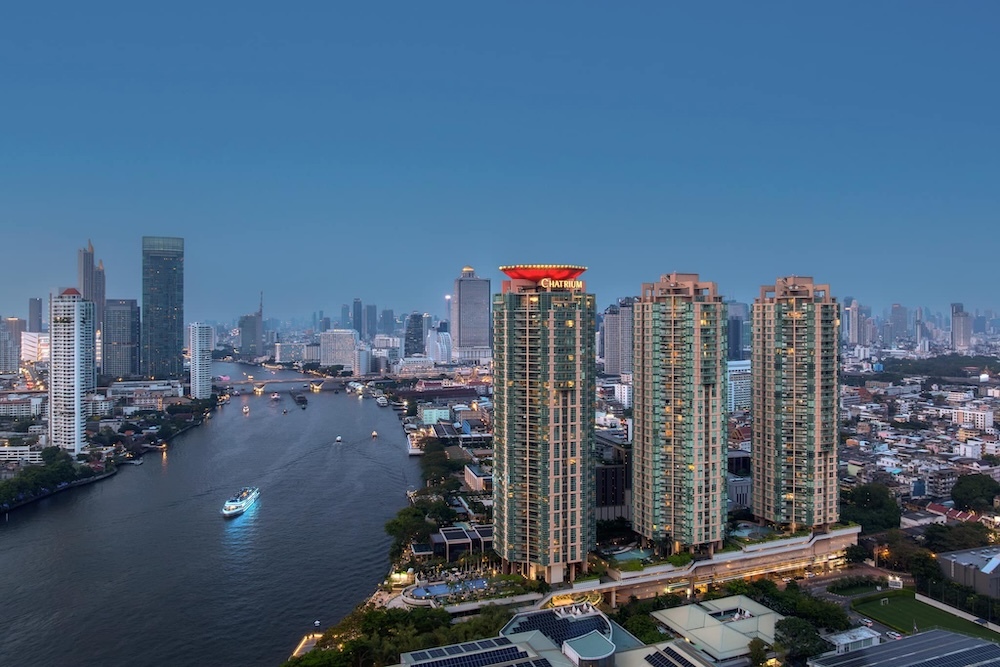
For a longer stay that balances comfort with easy access to the city, Chatrium Bangkok Riverside sits directly on the banks of the Chao Phraya River on historic Charoenkrung Road.
Residences span from a 65 sqm Premier One Bedroom, ideal for one or two individuals, to a 250 sqm Four Bedroom Residence accommodating the whole family. All of them have a fully equipped kitchen, an independent living area, and a private balcony, with many boasting uninterrupted water views. Spacious layouts cater to families and relocating professionals seeking areas to live and work, beyond just a sleeping space.
The location keeps daily life simple. Asiatique The Riverfront, ICONSIAM and Shrewsbury International School are all close by, and a complimentary shuttle boat connects guests to the BTS Skytrain for a quick route into the wider city. Three flexible maintenance packages let guests pick the level of service that fits their routine, from light housekeeping to fuller support. Booking a residence hotel near the Chao Phraya River in Bangkok turns a long stay into a genuine home base rather than a series of monthly bills.
Simple ways to keep long-stay costs down
A few habits help stretch a monthly budget without giving up the things that make living in Bangkok enjoyable.
Eat local, treat occasionally: mixing street food and market lunches with the odd weekend out, such as modern Cantonese cuisine at Silver Waves by Boon, keeps the food budget balanced.
Travel by boat and rail: leaning on shuttle boats and a BTS Rabbit card rather than taxis during peak hours saves both time and money across the month.
Watch the air conditioning: cooling is the biggest single variable in your monthly living in Bangkok cost, so a residence with a clear, transparent utility structure helps you avoid a surprise bill at the end of the month.
Settle in by the river
Living long-term in Bangkok boils down to two factors: a monthly budget suited to your lifestyle and a home that offers predictable expenses while keeping the city accessible. On the Chao Phraya River, a serviced residence covers utilities, housekeeping, and facilities all under one straightforward rate.
Are you ready to discover your riverside home? Discover our long-stay pricing and secure your stay at Chatrium Bangkok Riverside today.
Frequently asked questions about cost of living in Bangkok, Thailand
Q: How much does it cost to live in Bangkok per month on a long stay?
A: Most long-stay budgets fall into three tiers. A budget or nomad lifestyle runs around THB 26,000 to THB 30,000 a month, a comfortable expat lifestyle around THB 48,500 to THB 65,000, and an upscale lifestyle from about THB 131,000. Rent is the largest variable, while everyday costs such as a transport pass (around THB 1,200) and broadband (around THB 650) stay affordable.
Q: Is a serviced residence better value than renting a condo in Bangkok?
A: It often is for stays of a few months to a year. A condo can look cheaper upfront, but electricity, water, internet setup, furnishing and cleaning are billed separately and a long lease ties up a deposit. A serviced residence combines most of these into one monthly rate, which makes budgeting simpler.
Q: What is usually included in a monthly serviced residence rate in Bangkok?
A: A monthly serviced residence rate typically includes housekeeping, a utility allowance, high-speed Wi-Fi, a fully equipped kitchen and access to facilities such as a pool and gym. At Chatrium Bangkok Riverside, guests can also choose from three maintenance packages to set the level of service that suits their stay.